How to Do the Shan Shen Bu: A Four-Move Tutorial
 Shan Shen Bu AI Team
Learn the four beats of the shan shen bu one at a time, with body cues, common mistakes, a warm-up and a safe way to turn the routine into a ten-second clip.
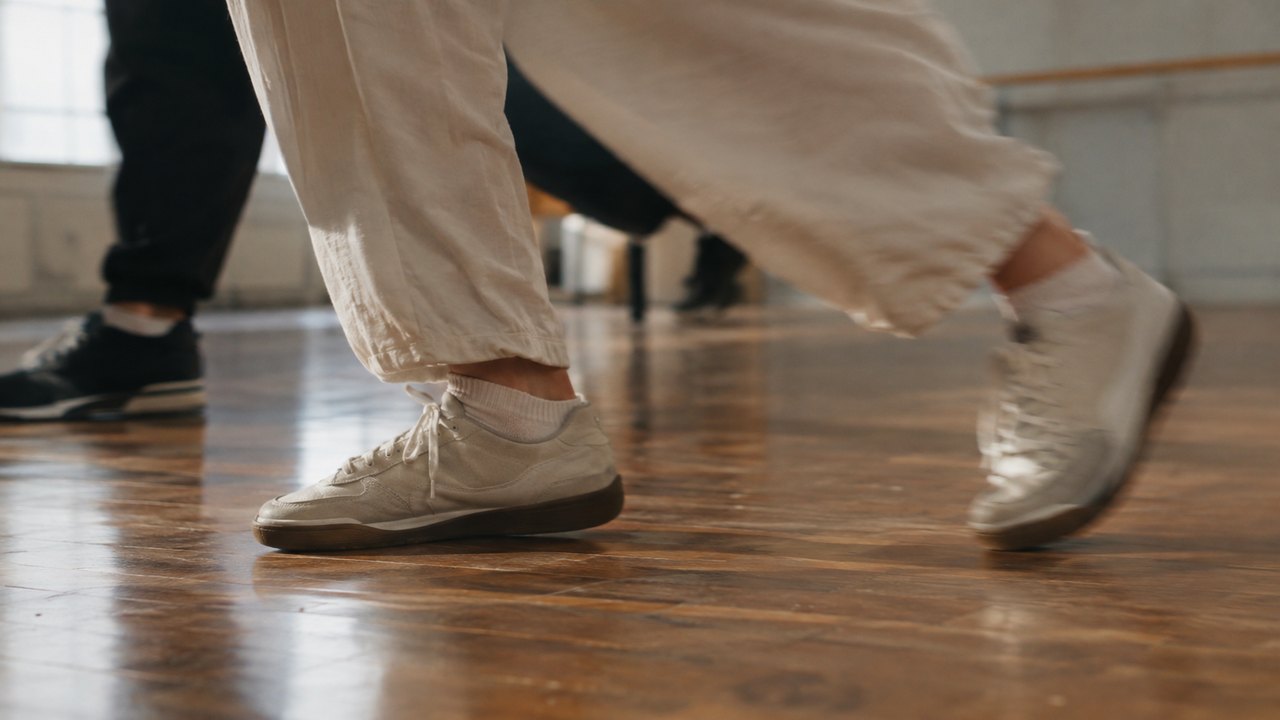
The shan shen bu is four moves, not one. The flash step gets the attention, but the routine only reads as the trend when the langzi kick, the bear shake and the head sway follow in order. Learn each beat on its own, then join them at half speed before you try the full tempo.
You do not need a dance background. You need a clear space, warm knees and about ten minutes. This guide teaches the beats in the order they appear, names the mistake most people make in each, and shows how to compress the routine into a ten-second clip.
The routine comes from a Beijing Dance Academy folk-dance teaching clip in which Professor Zhao Tiechun and colleagues demonstrate Anhui flower-drum-lamp basics. The clip went viral in China in late September 2026 and globally in October 2026, and the online version is a short, comic reading of those basics. This site is an independent tool. We are not affiliated with Beijing Dance Academy, Professor Zhao, TikTok or CapCut, and we do not use the original teachers' faces or the original audio.
Example loaded — edit it or generate.
This clip: 30 credits · 11 clips a month for $39.90 (Pro), or 120 a year for $319
What the four beats are
The four beats are a flash step, a langzi kick, a bear shake and a head sway. In the viral clip they run in that order and fit comfortably inside ten seconds. The comedy comes from the contrast: the first two beats look almost athletic, the third looks silly, and the fourth is completely deadpan.
Do not add extra moves before you can do these four cleanly. The routine is short on purpose. A clean eight-second version is better than a messy twenty-second one.
Warm up before the first beat
Two or three minutes is enough.
- March in place for thirty seconds.
- Circle each ankle ten times in both directions.
- Do ten slow knee bends, keeping the knees over the toes.
- Swing both arms forward and back ten times.
- Shake out your hands and shoulders.
Clear a space about two meters wide. Move chairs, cables and rugs with curled edges. Wear shoes or work barefoot on a mat. Socks on a smooth wooden floor are the most common way people slip during the kick.
Beat 1: the flash step
The flash step is a sideways dodge, not a walking step.
Stand with your feet under your hips. On count one, push off your right foot and throw your hips to the left. Land with your feet wide, knees bent and chest low, as if you had just avoided something thrown at you. On count two, hold that low wide shape. On count three, spring back to the center with your feet together.
The whole move should land at once. Both feet hit the floor together, and the low point is one clear shape rather than a series of small steps.
The common mistake is stepping sideways one foot at a time while standing tall. That reads as a shuffle, not a dodge. A second mistake is crossing the feet, which kills the spring back. A third is dropping so low that you cannot get up without using your hands.
Drill it eight times at half speed with your hands on your hips. The hands stop you from using your arms to cheat the movement.
Beat 2: the langzi kick
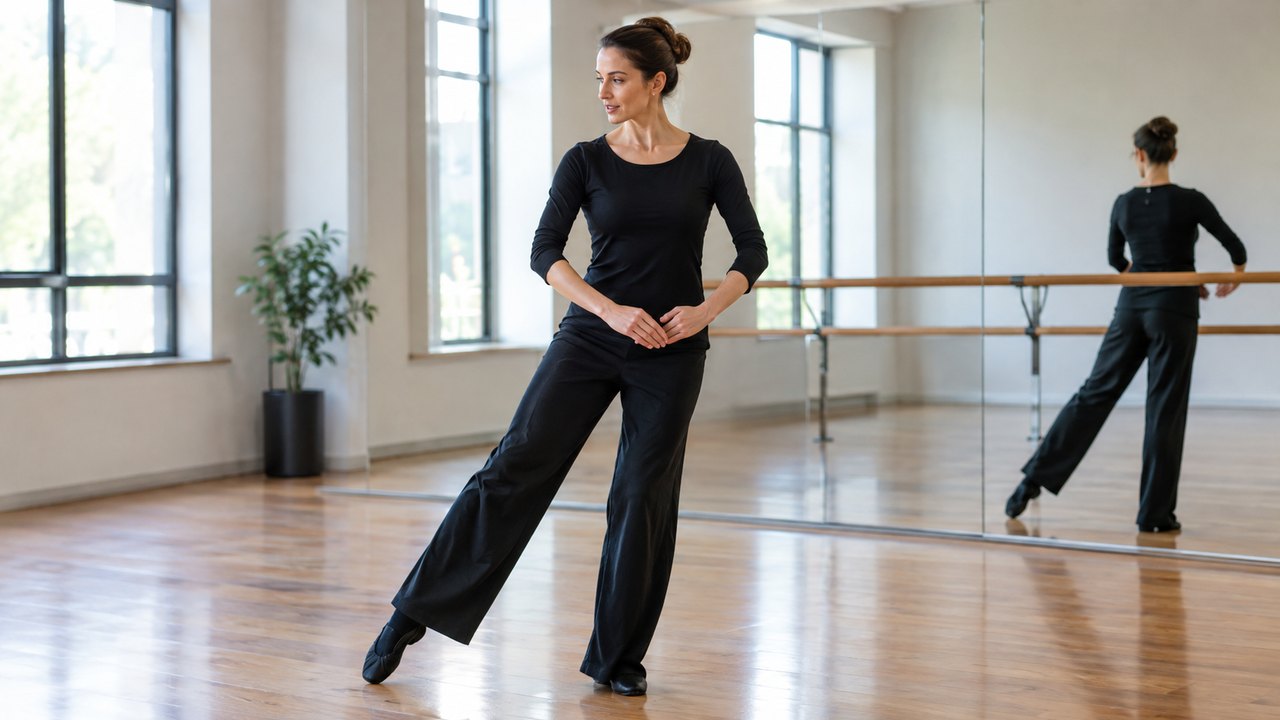
The langzi kick is a knee lift and a side kick, with the opposite arm swinging across the body.
Start from the wide stance at the end of the flash step. Shift your weight onto your left leg. Lift your right knee to about hip height, then extend the lower leg out to the side, not forward. At the same time, swing your left arm across your chest and your right arm back. Count one is the knee lift, count two is the kick, count three is the foot returning to the floor.
Keep your torso upright. Leaning away from the kick looks like a loss of balance, and it makes the move harder to recover from.
The common mistake is kicking forward like a football. The langzi kick travels sideways, with the leg roughly parallel to the floor at the top. Another mistake is swinging the same-side arm as the kicking leg. It should be the opposite arm. A third is locking the knee at full extension; keep a soft bend at the end of the kick.
If you are unsure about balance, stand beside a wall and rest one fingertip on it. Do five slow kicks on each side before you try the kick inside the routine.
Beat 3: the bear shake
The bear shake is the release beat. After two controlled moves, the body goes loose.
Stand with your feet at shoulder width. Fling both arms up and out, elbows soft, then shake from the shoulders through the chest, hips and knees for two counts. Your head stays loose and moves with the shake. Count one is the arms going up, counts two and three are the shake, and count four is the settle back to a standing shape.
The shake should look generous. Small hand wiggles look nervous. The whole body should be involved, including the shoulders and the knees.
The common mistake is holding tension in the shoulders while only the hands move. Another is holding your breath, which makes the shake short and stiff. A third is stopping abruptly in a posed shape; the settle should be a small bounce, not a freeze.
Drill it for ten seconds at a time: shake hard, then stop dead. Repeat three times. The stop is what makes the next beat readable.
Beat 4: the head sway
The head sway is the punchline. It is also the easiest beat to overdo.
Plant your feet. Rock your head side to side with a completely flat face, two rocks to each side. Keep your shoulders still and let the neck do the work. Then stop, hold, and look directly into the camera for one full second.
The look is the joke. Do not smile early, and do not break eye contact at the end.
The common mistake is smiling through the whole sway. The deadpan is what makes it funny. Another is moving the shoulders with the head, which turns a head sway into a body sway. A third is looking away at the final beat, usually at a phone screen or a friend. Pick a point on the lens and stay with it.
Practice in a mirror: four rocks, freeze, eye contact. Do it five times.
The four beats at a glance
| Beat | Body cue | Common mistake | | ----------- | ---------------------------------------------------------------- | ----------------------------------------------- | | Flash step | Push sideways, land wide and low on both feet, spring back | Stepping one foot at a time while standing tall | | Langzi kick | Lift the knee, kick to the side, swing the opposite arm | Kicking forward and swinging the same-side arm | | Bear shake | Arms up and out, shake the whole body, settle with a bounce | Shaking only the hands with locked shoulders | | Head sway | Deadpan side-to-side rocks, then a one-second look into the lens | Smiling early and moving the shoulders |
Safety notes
The routine is low-risk, but two beats load the knees: the low landing of the flash step and the side kick. Warm up first, keep the knees tracking over the toes, and keep the kick below hip height until your balance is reliable.
Stop if you feel a sharp pain, a twist, or a catch in the knee. Do not do fast kicks on carpet, on a wet floor or in socks on smooth wood. If you are working on a hard floor, use a mat. Children can learn the routine, but an adult should watch the kick and the low landing.
If you have a knee or ankle injury, do the arm and head beats seated and skip the kick. The joke still works.
Turning the routine into a ten-second video
At full speed, give each beat about two and a half seconds:
- 0.0 to 2.5 seconds: flash step.
- 2.5 to 5.0 seconds: langzi kick.
- 5.0 to 7.5 seconds: bear shake.
- 7.5 to 10 seconds: head sway, then the look into the camera.
Film vertically at 9:16, with the camera at chest height and your whole body in frame. Leave space above your head and below your feet. Do five takes without cuts and pick the one where the kick lands cleanly; the rest of the routine is easier to repeat than the balance moment.
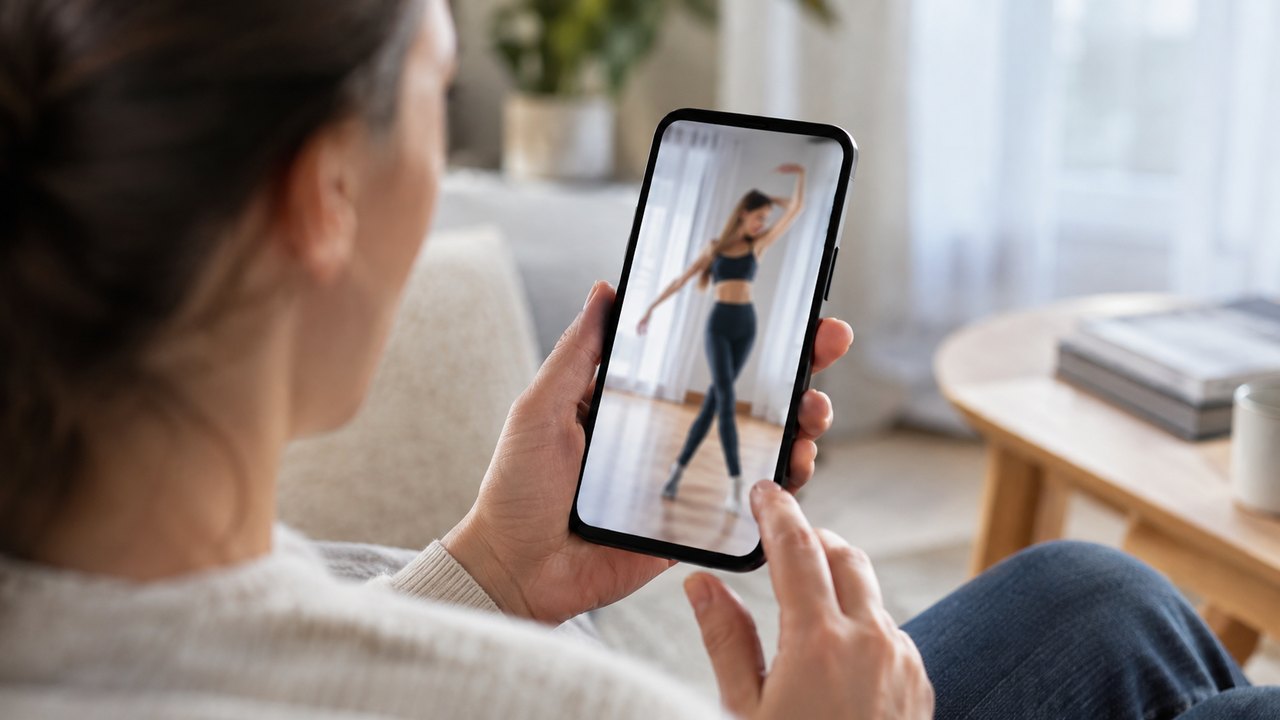
If you would rather not film yourself, the studio on this page takes one clear full-body photo or a text prompt and renders a 10 to 15 second vertical clip of the routine. A sharp photo in even daylight, with your face, hands and feet visible and a plain background, gives the model the most to work with. The result is a generated performance, not footage of you dancing. Label it as AI-generated when you post it, and do not present it as a real clip of the original class.
FAQ
Do I need dance experience to learn the routine?
No. The four beats are simple enough to learn in one sitting. The kick is the only beat that needs balance practice, and a wall or chair back is enough support while you learn it.
How long does it take to learn the four beats?
You can learn a rough version in one short session, and a clean version after a few more. The flash step and the head sway come quickly. The kick needs the most repetitions because it combines balance, direction and an opposite arm swing.
Can I do the routine seated?
You can do the arm and head beats seated, and the bear shake works from a chair. Skip the flash step and the kick. The routine will read as a reaction rather than a dance, which is still usable for a short clip.
Why does my version look different from the viral clip?
The viral clip is a compressed, comic reading of a folk-dance teaching demonstration, and everyone who copies it changes the timing. Your version will look different if your kick is lower, your shake is smaller or your head sway is faster. Those differences are fine. The order of the beats is what makes it recognizable.
Is the routine safe for kids?
The arm and head beats are safe with normal supervision. For the kick and the low landing, check the floor, keep the space clear and keep the kick low. A child who cannot balance on one leg should practice the kick holding an adult's hand.
Make your own version
Learn the beats at half speed, film one clean take, and keep the clip short. If you want a version generated from a photo, open the studio, upload a sharp full-body shot and choose the routine. The pricing page shows what a render costs before you commit, and the tutorial feature page covers the beat order in more detail. For the history behind the trend, read what the shan shen bu is.
Related guides
What Is Shan Shen Bu? Meaning, Origin and the Four Moves
Shan shen bu means flash step: a four-beat Chinese dance routine that went viral in 2026. Here is where it came from and what AI can and cannot do.
How to Make a Shan Shen Bu Video From One Photo
Turn one clear photo into a 10 to 15 second vertical shan shen bu clip. The full eight-step workflow, a photo checklist and the failures to expect.
Shan Shen Bu AI Prompts That Keep the Face and the Moves
A six-part prompt formula for shan shen bu AI video: subject, scene, four-beat action, camera, identity lock and exclusions, with four full examples.