Four moves · Ten seconds

Shan Shen Bu Dance Tutorial

You can learn the routine in a few minutes. It is four moves, performed in order, with a straight face. The difficulty is not the steps; it is making them look deliberate rather than accidental.

This tutorial breaks down each beat, the common mistakes, and how to translate the movement into a prompt if you would rather generate the clip than film it.

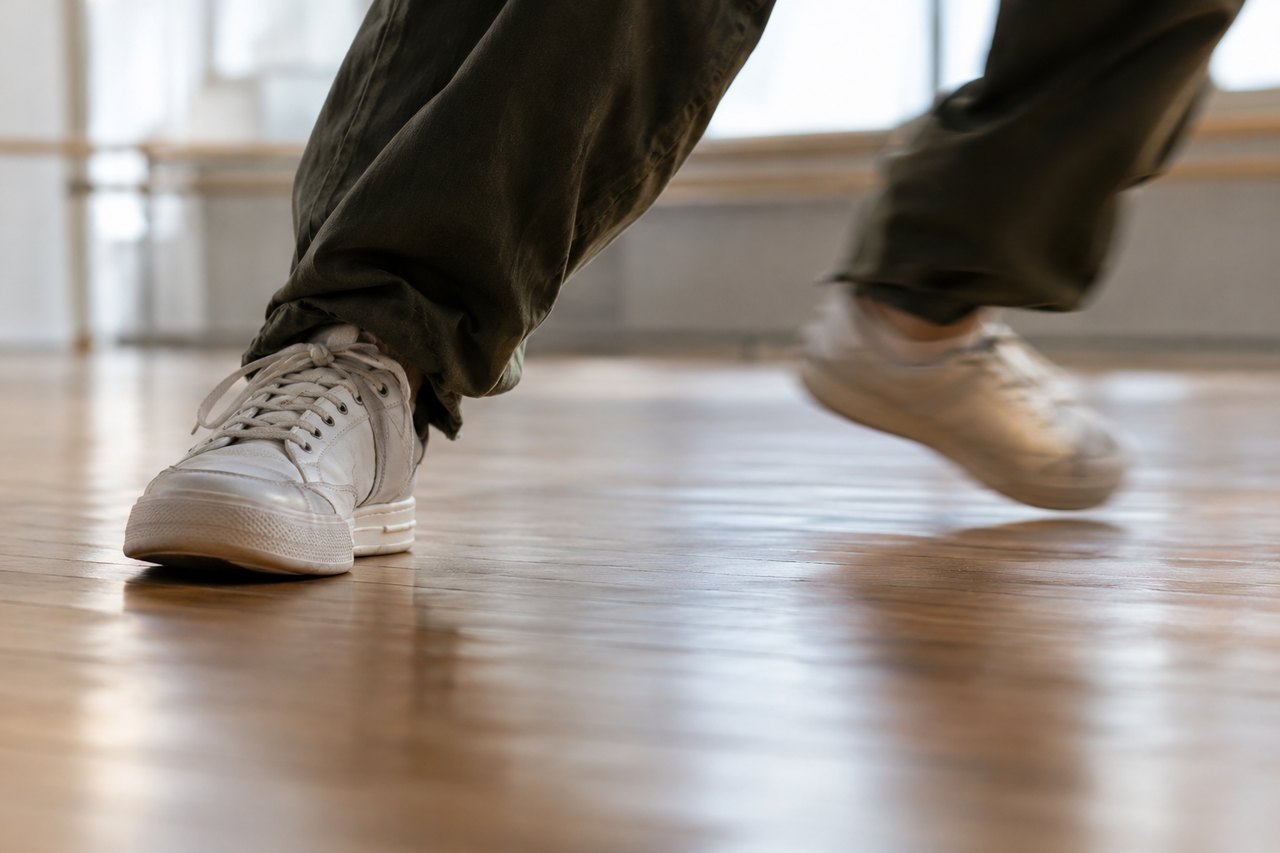
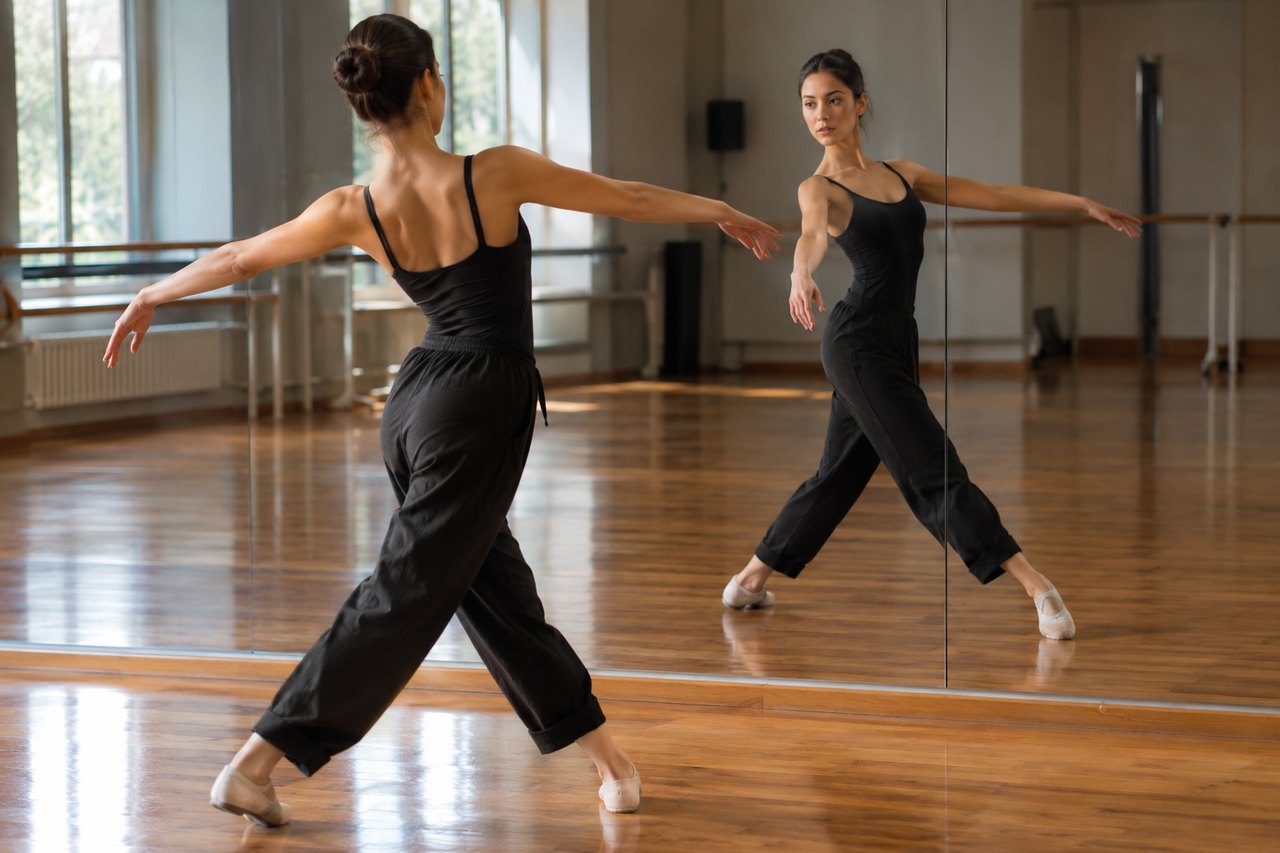
Images on this page are AI-generated illustrations, not records of a real event.

Updated 23 October 2026

A dancer practising a wide side-step in a mirrored studio, feet planted, arms low, tutorial framing
Length
10–15 seconds
Resolution
480p · 720p · 1080p
Aspect ratio
9:16 · 16:9 · 1:1
Watermark
None on paid renders
Model
Seedance 2.0
Moderation
SeeAPI, fail-closed

Beat one: the flash step

Drop low and throw the body sideways. The feet land wide, then spring back to centre. The power comes from the legs, not the arms.

Beat two: the langzi kick

Lift one knee and kick the foot out to the side while the opposite arm swings across the chest. Keep the standing leg soft.

Beats three and four: shake and sway

Fling both arms up and out, shake the shoulders and torso, then rock the head side to side and look into the camera.

How it works

  1. 1

    Warm up first

    Ankle rolls, knee bends and a few shoulder circles. The side-step is wider than most people expect.

  2. 2

    Learn the order slowly

    Practise the four beats at half speed until the transition from the kick to the shake is automatic.

  3. 3

    Film or generate

    Film a full-body take with a fixed camera, or upload one photo and let the studio generate the routine.

  4. 4

    Check the read

    Watch it once for the beats and once for the face. If the routine reads at normal speed, it is ready.

Start from a tested prompt

Each prompt is complete: subject, scene, camera and what must not change. Copy it or open the studio with it pre-filled.

A four-panel style still of a dancer mid-kick in a bright studio, motion blur on the swinging arm

Blue practice hall

The original studio look: four beats, one fixed camera, deadpan face.

Prompt (English)

Bright blue mirrored dance studio with a wooden floor and a ballet barre along one wall. The subject performs the shan shen bu (闪身步) flash-step routine in four clear beats: first a sudden sideways dodge, stepping the feet wide apart and dropping low before springing back to centre; second a langzi kick, lifting one knee and kicking the foot out to the side while the opposite arm swings across; third a bear shake, both arms flinging up and outward while the shoulders and whole body shake; fourth a deadpan head sway that ends with a direct look into the camera. If a reference photo is attached, keep the exact face, hair, body, outfit and background; do not add a second person. Fixed phone camera at chest height, one continuous take, vertical 9:16, no text, no watermark.

Use in studio

Office escape

Dodge out of work in an open-plan corridor, then finish the routine.

Prompt (English)

A plain open-plan office corridor with desks, monitors and a colleague walking past in the background. The subject performs the shan shen bu routine in four beats: a sideways flash step, a knee-lift side kick with an arm swing, a full-body shake with both arms up, then a deadpan head sway and a look into the camera. If a reference photo is attached, keep the exact face, hair, body and outfit. Fixed phone camera at chest height, one continuous take, vertical 9:16, no text, no watermark.

Use in studio

Pet living room

A cat or dog does a playful version on its hind legs at home.

Prompt (English)

A cosy living room with a sofa, a rug and warm afternoon window light. The cat or dog from the reference photo stands on its hind legs and does a playful four-beat shan shen bu: a quick side-step, a little kick, a full-body shake of the fur, then a head sway to the camera. Keep the animal's exact breed, fur colour and markings; do not turn it into a person and do not add a second animal. Fixed low camera, one continuous take, vertical 9:16, no text, no watermark.

Use in studio

The four beats in detail

Flash step: start with your weight on one leg, drop your hips and push sideways. Land with both feet wide and knees bent, then push back to the centre. The arms stay low and relaxed; the move is in the legs.

Langzi kick: shift your weight to the standing leg, lift the other knee, and extend the foot out to the side. Swing the opposite arm across your chest to counterbalance. Do not lean back; keep the chest over the standing leg.

Bear shake: plant both feet, throw both arms up and outward, and shake from the shoulders through the torso. The hands can be open or loose fists; the point is a full-body rattle, not a careful gesture.

Head sway: let the head rock side to side with the beat, keeping the face blank. On the last count, stop and look straight into the camera. The pause is what sells the joke.

Common mistakes

The most common mistake is making the side-step too small. A narrow step reads as a stumble. The second is rushing the kick; the foot needs a clear extension, not a flick. The third is smiling. The format is deadpan.

A fourth mistake is adding a spin between beats. The routine is short; a spin eats the time the kick and shake need. Keep the four beats clean.

Turning the routine into a video

If you film it, use a fixed phone camera at chest height, a plain background and daylight. Film the whole body, including the feet, and leave a second of stillness at the start and end so the clip is easy to trim.

If you generate it, upload one full-body photo and pick the blue practice hall. The prompt already contains the four beats; you only need to choose the scene and the length. A 10-second 720p render is 30 credits.

Questions people ask

How long does it take to learn?

Most people can perform a rough version in 10–15 minutes. Making it look deliberate takes a little longer.

Is it safe for knees?

The side-step is wide but low-impact if you warm up and keep the knees bent. Stop if anything hurts; this is a dance tutorial, not medical advice.

Can the AI teach me the moves?

The AI generates a performance, not a lesson. Use the written beats above to learn the order, then use the studio to make a clip.

Why does my generated version miss a beat?

A 5-second clip is too short for four beats. Use 10 seconds and keep the camera fixed.

Can I upload a video of myself instead of a photo?

The studio takes photos. For a filmed performance, edit the video directly; for an AI version, use a clear still.

Do I need music?

The generated clip is silent. Add a sound in TikTok or your editor; the routine is timed for a steady beat.

Turn your photo into a clip

Start with the preset on this page, or write your own shot. Credits are shown before you generate, and failed renders are refunded.