What Is Shan Shen Bu? Meaning, Origin and the Four Moves
 Shan Shen Bu AI Team
Shan shen bu means flash step: a four-beat Chinese dance routine that went viral in 2026. Here is where it came from and what AI can and cannot do.
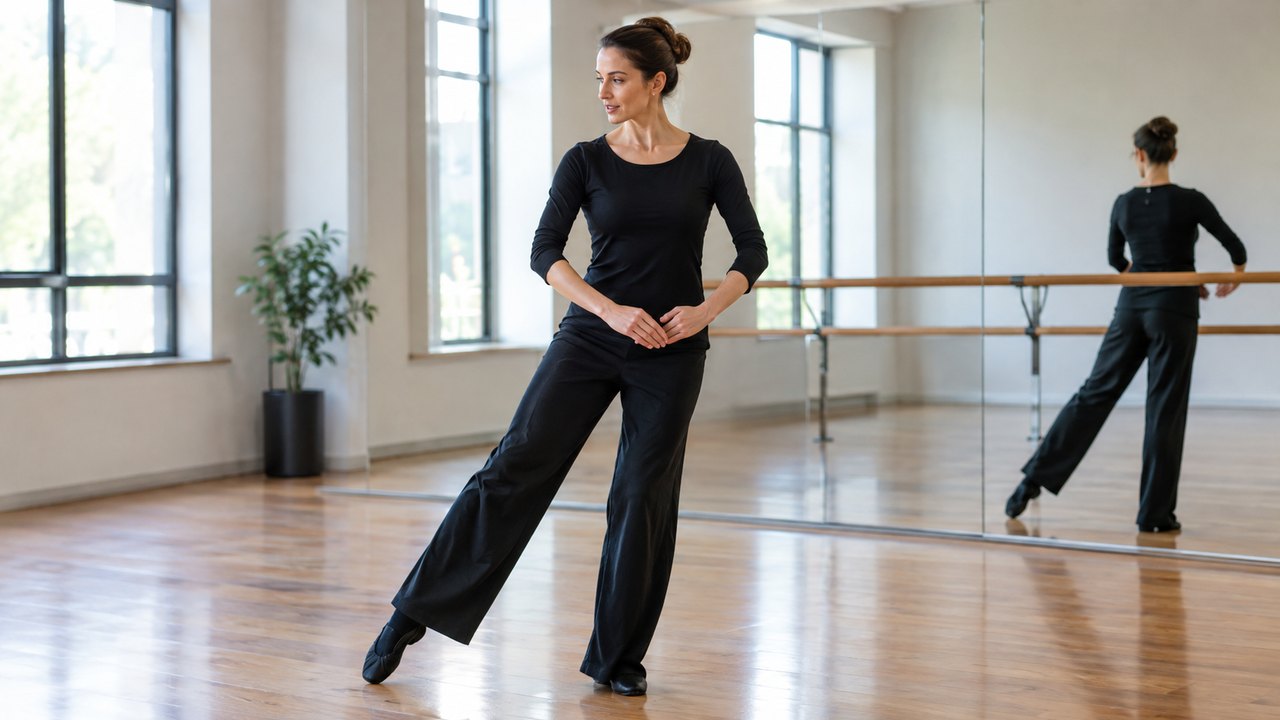
Shan shen bu (闪身步) is the name the internet gave a short Chinese dance routine built around one surprising move: a sudden sideways dodge. The closest English translation is "flash step" or "body-dodge step." The name describes the first beat. You shift out of the way fast enough that the movement looks like a dropped frame, then you spring back to center and keep going.
The routine became a global trend in October 2026. Before that, it was a teaching demonstration: a clip from Beijing Dance Academy showing basic Anhui flower-drum-lamp movement, performed by Professor Zhao Tiechun and colleagues. The footage circulated on Chinese short-video platforms in late September 2026, then crossed into TikTok, Reels and Shorts.
This article explains what the term means, where the four beats come from, why people use them, and what an AI-generated version of the routine can and cannot do. If you only want to make a clip, the studio is below. If you want to understand what you are watching, keep reading.
サンプルを読み込みました。編集するか、そのまま生成できます。
This clip: 30 credits · 11 clips a month for $39.90 (Pro), or 120 a year for $319
What the name means
The three characters are literal:
- 闪 (shǎn) — flash, dodge, slip away
- 身 (shēn) — body
- 步 (bù) — step
Put together, it reads as "flash-body step" or "body-dodge step." It is a descriptive nickname, not an official name in a dance syllabus. The sequence borrows steps from a folk tradition, but the four-beat version people copy is a social-media edit of that material, not a codified technique.
That distinction matters when you watch a clip. The person in an AI video is not performing a standardized test piece. They are performing a short, exaggerated version of a classroom demonstration, built to be readable on a phone screen in under fifteen seconds.
Where the routine comes from
The source is Anhui flower-drum-lamp (花鼓灯, huagudeng), a folk dance tradition from Anhui province in eastern China. It is festival dance: drums, lanterns, fast footwork and a playful relationship with the audience. The tradition is regional and old, with a long teaching lineage.
The viral clip came from a classroom rather than a stage. Professor Zhao Tiechun and colleagues at Beijing Dance Academy were demonstrating flower-drum-lamp basics for students. The footage was instructional. Someone cut out the moment where the teacher drops low, flicks sideways and recovers, and that fragment did the rest.
The timeline, in general terms:
- Late September 2026 — the teaching clip circulates on Chinese short-video platforms. Dancers begin learning the sequence.
- October 2026 — the routine crosses into global feeds. Office skits, pet edits and AI versions appear within days of each other.
The clip worked because of contrast. A formal studio, a respected teacher, careful instruction — and then a movement that looks like a video game dodge. The joke writes itself, and the move stays recognizable even if you have never seen flower-drum-lamp before.
The four beats
Every version of the routine, from a real dancer to an AI render, follows the same four beats in the same order. The timing can stretch or compress. The order does not change.
| Beat | Name | What happens | | ---- | ----------- | ------------------------------------------------------------------------------------------------ | | 1 | Flash step | A sudden sideways dodge. Feet go wide, the body drops low, then springs back to center. | | 2 | Langzi kick | One knee lifts and the foot kicks out to the side while the opposite arm swings across the body. | | 3 | Bear shake | Both arms fling up and outward, and the whole body shakes loose, shoulders and hands included. | | 4 | Head sway | The head rocks side to side with a deadpan face, then stops and looks straight into the camera. |
Beat one, the flash step. This is the move people imitate in hallways. The key is the drop: the dancer does not just step sideways, they sink and widen the stance before recovering. Without the drop, the move looks like a stumble.
Beat two, the langzi kick. A knee lift followed by a side kick, with the opposite arm crossing the torso. The arm swing is what makes the kick read as dance rather than a stretch. In flower-drum-lamp, footwork and arm line work together, and the viral version keeps that pairing.
Beat three, the bear shake. Arms go up and out, and the body shakes as if shaking off water. It is the release after two sharp beats, and it is the part that reads best in a short loop.
Beat four, the head sway. The face stays flat. The head rocks, stops, and the dancer looks into the lens. The deadpan is the punchline: after three energetic beats, the performer pretends nothing happened.
Why people use it
The routine supports at least three different uses, and they are not the same joke.
The office skit. Someone dodges a deadline, a manager or a meeting by flash-stepping out of frame. The move is the punchline and the setting does the setup. The office format guide covers staging it without filming anyone who has not agreed.
The pet version. A cat or dog performs a simplified version of the beats. The humor comes from anatomy: an animal doing a human dance badly, on purpose. It is also the hardest version to render well, because fur, paws and joints drift.
The dance challenge. Real people learn the sequence and film themselves. This is the only version where skill is the point. The other two are comedy formats that borrow the moves.
What an AI version can and cannot do
An AI render is a caricature, not a recording. It helps to be precise about the difference.
What it can do: turn one clear photo of one or two people, or a cat or dog, into a 10 to 15 second vertical video of the routine. It can keep the person's face, hair and outfit close to the photo, place them in a scene you could not film, and deliver a silent MP4 with no watermark. It can also work from a text prompt with no photo at all.
What it cannot do: teach you the dance, reproduce the original teachers, or use the original audio. The site does not use the faces of the Beijing Dance Academy instructors, and generated clips are silent by design. Creators add a trending sound in TikTok afterward.
It also cannot guarantee a perfect frame. Hands, feet and fast kicks are the usual places where a render drifts. The honest description of a good AI clip is "a generated performance of the routine," not "footage of someone dancing."
How to describe a clip honestly
AI dance clips are spreading quickly, and some are posted without disclosure. A few habits keep the trend fun:
- Say it is AI in the caption or the video itself.
- Do not call it footage, and do not imply a real person performed it.
- Do not attach the original teaching audio and present the result as the source clip.
- Do not use a real person's photo without their permission.
None of this ruins the joke. The joke is the dodge, not the deception.
FAQ
Is shan shen bu a real dance move?
The routine is based on real movement from Anhui flower-drum-lamp, taught at Beijing Dance Academy. The four-beat version that went viral is a short, stylized sequence for social video, not a full syllabus or a competition piece.
Who started the trend?
A teaching clip by Professor Zhao Tiechun and colleagues at Beijing Dance Academy, demonstrating flower-drum-lamp basics, circulated in late September 2026 and spread globally in October. This site is an independent tool and is not affiliated with the academy, the professor, TikTok or CapCut.
Why "flash step"?
Because the first beat is a sideways dodge fast enough to look like a glitch. The name describes the visual effect, not a formal technique.
Can I make one without dancing?
Yes. Upload one photo or write a prompt, choose a scene and a length, and the studio renders a short vertical clip. It is a generated performance, so label it as AI when you post.
Make your own version
If you want to see the four beats in motion with your own face, start with the meme scene, or read the feature walkthrough first. There is also a longer dance tutorial on the blog that breaks down the timing beat by beat.
You can try the studio on the home page or compare packs on the pricing page.
関連ガイド
How to Make a Shan Shen Bu Video From One Photo
Turn one clear photo into a 10 to 15 second vertical shan shen bu clip. The full eight-step workflow, a photo checklist and the failures to expect.
Shan Shen Bu AI Prompts That Keep the Face and the Moves
A six-part prompt formula for shan shen bu AI video: subject, scene, four-beat action, camera, identity lock and exclusions, with four full examples.
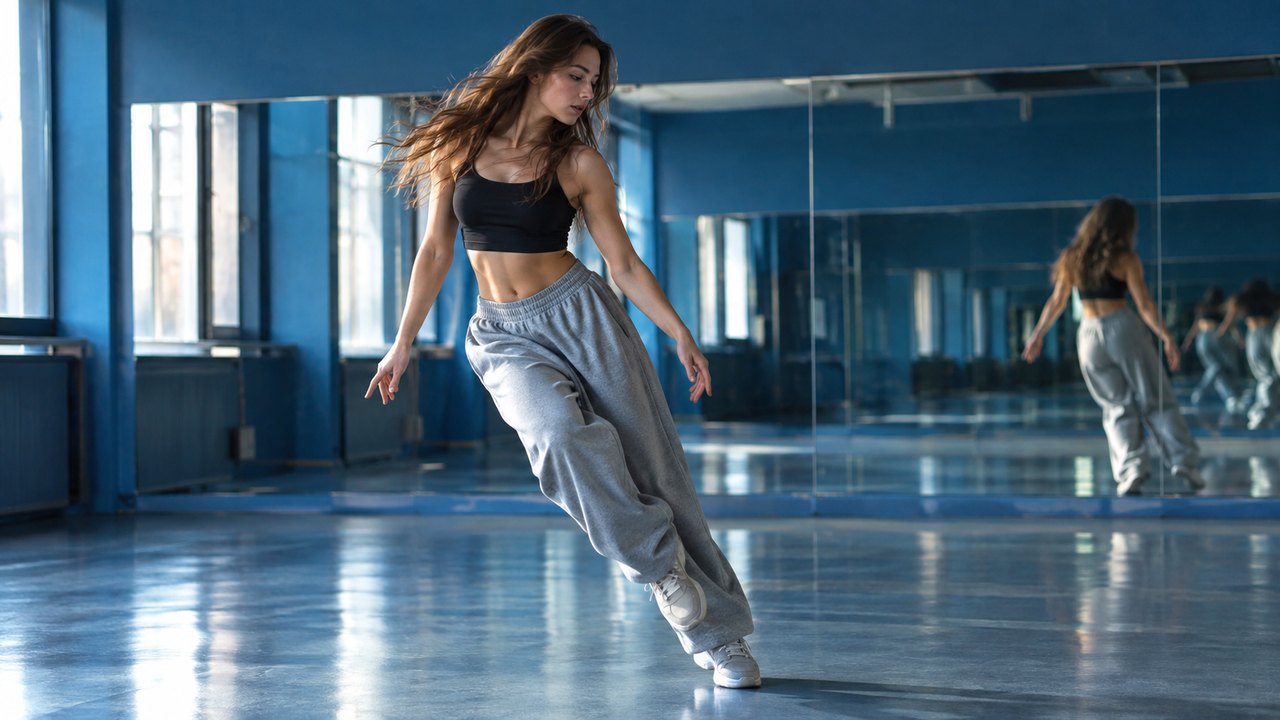
Shan Shen Bu AI Dance: Photo or Text to a 10-Second Clip
How photo-to-video and text-to-video differ, what the model keeps, and the real credit math for a 10 to 15 second shan shen bu AI dance clip.